

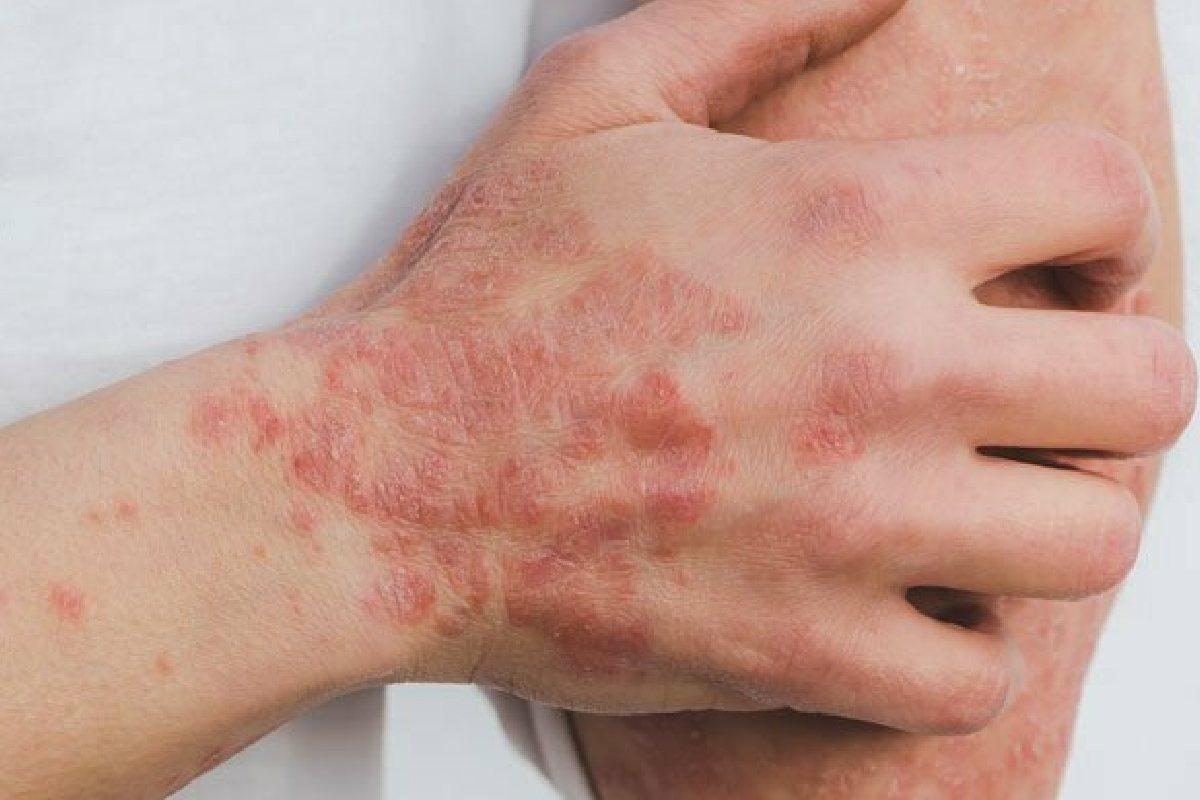
The beauty and skincare industry has witnessed a significant shift toward natural and plant-based treatments in recent years. Among the most talked-about developments is the growing use of cannabis-derived compounds for managing chronic skin conditions. What was once considered alternative medicine has entered mainstream conversations as patients and dermatologists alike explore how cannabinoids might address persistent skin issues that conventional treatments have failed to resolve.
Table of Contents
Understanding the Skin and Cannabinoid Connection
The human body contains an endocannabinoid system that plays a crucial role in regulating various physiological processes, including those affecting the skin. This system includes receptors found throughout the body, including in skin cells, sebaceous glands, and hair follicles. When cannabinoids interact with these receptors, they can influence inflammation, oil production, and cell growth.
Research into this connection has accelerated over the past decade. Scientists have discovered that the skin produces its own endocannabinoids and that disruptions in this system may contribute to various dermatological conditions. This understanding has opened the door to exploring how plant-derived cannabinoids might help restore balance and address chronic skin problems.
The two most studied cannabinoids are THC and CBD, though dozens of other compounds in the cannabis plant may also offer therapeutic benefits. Each interacts with the body differently, and the specific ratios and combinations used can produce varying effects on skin health and overall wellness.
Chronic Skin Conditions and Cannabis Therapy
Several chronic skin conditions have become focal points for cannabis research and patient interest. These conditions often prove frustrating for those affected, as conventional treatments may provide only partial relief or come with unwanted side effects.
Psoriasis affects millions of people worldwide, causing red, scaly patches that can be both painful and embarrassing. The condition results from an overactive immune response that accelerates skin cell production. Early research suggests that cannabinoids may help slow this abnormal cell growth while also reducing the inflammation that contributes to symptoms. Patients have reported improvements in both the appearance of plaques and the discomfort associated with flare-ups.
Eczema, also known as atopic dermatitis, causes dry, itchy, and inflamed skin that can significantly impact quality of life. The condition often proves difficult to manage, with patients cycling through various topical steroids and moisturizers seeking relief. Cannabinoids may offer anti-inflammatory and anti-itch properties that address multiple aspects of eczema symptoms simultaneously. The moisturizing properties of cannabis-infused topicals can also help repair the compromised skin barrier common in eczema patients.
Acne remains one of the most common skin concerns, affecting teenagers and adults alike. The condition involves excess sebum production, bacterial growth, and inflammation. Interestingly, research has shown that certain cannabinoids may help regulate sebum production without completely suppressing it, potentially addressing one root cause of acne. Anti-inflammatory properties may also help reduce the redness and swelling associated with breakouts.
Rosacea causes facial redness, visible blood vessels, and sometimes small bumps that can be mistaken for acne. The condition has no cure, and management focuses on reducing triggers and controlling symptoms. Some patients have found that cannabis-based treatments help calm the inflammation and sensitivity associated with rosacea, though more research is needed to understand the mechanisms involved.
The Wellness Connection
Beyond direct skin applications, medical marijuana may improve skin health indirectly by addressing underlying factors that contribute to dermatological problems.
Stress represents one of the most significant triggers for skin condition flare-ups. Psoriasis, eczema, acne, and rosacea can all worsen during periods of high stress. The relaxation and anxiety-reducing effects that many patients experience with medical cannabis may help break the stress-flare cycle that keeps chronic skin conditions active.
Sleep quality also affects skin health in profound ways. During sleep, the body repairs damaged cells, produces collagen, and regulates hormones that influence skin condition. Poor sleep has been linked to accelerated aging, increased inflammation, and worsened symptoms of chronic skin conditions. Many medical cannabis patients report improved sleep as one of the primary benefits of their treatment, which may translate to better skin health over time.
Chronic pain conditions often coexist with skin problems, and the stress of managing persistent pain can exacerbate dermatological symptoms. By addressing pain through medical cannabis, patients may experience downstream improvements in skin health as their overall stress burden decreases.
Inflammation throughout the body can manifest in the skin, and many chronic conditions involve systemic inflammation that affects multiple organ systems. The anti-inflammatory properties of certain cannabinoids may address this underlying inflammation, potentially improving skin symptoms as part of broader health benefits.
Qualifying for Medical Cannabis Treatment
Patients interested in exploring medical cannabis for skin conditions or related wellness concerns should understand that access typically requires meeting specific criteria. Most states with medical marijuana programs maintain lists of qualifying conditions that make patients eligible for treatment.
While skin conditions specifically may not appear on every state’s qualifying list, many related conditions do qualify. Chronic pain, which often accompanies severe skin conditions, qualifies patients in most medical marijuana states. Autoimmune conditions that affect the skin may also qualify in certain jurisdictions. Anxiety and PTSD, which can both trigger and worsen skin problems, appear on numerous state lists.
The process of obtaining medical cannabis certification involves consulting with a licensed physician who can evaluate your condition and determine whether cannabis therapy might be appropriate. These consultations increasingly occur via telemedicine, making it easier for patients to explore their options without extensive travel or wait times.
Topical vs. Internal Approaches
Patients using cannabis for skin conditions have multiple options for how they incorporate cannabinoids into their wellness routines.
Topical applications allow cannabinoids to interact directly with skin cells and local receptors without producing the psychoactive effects associated with internal consumption. Creams, balms, salves, and oils infused with cannabis compounds can be applied directly to affected areas. This targeted approach appeals to patients who want to address skin symptoms specifically without experiencing systemic effects.
Internal consumption through smoking, vaporizing, edibles, or tinctures delivers cannabinoids throughout the body via the bloodstream. This approach may be more appropriate for patients seeking to address underlying inflammation, stress, sleep issues, or pain that contributes to their skin problems. The effects are more generalized but may address root causes rather than just surface symptoms.
Many patients find that combining approaches yields the best results. They might use topical products for direct symptom relief while also consuming cannabis internally to address systemic factors. Working with knowledgeable healthcare providers can help patients develop treatment strategies tailored to their specific situations.
What the Research Shows
Scientific research into cannabis and skin health remains in relatively early stages, though findings so far have been encouraging. Laboratory studies have demonstrated that cannabinoids can reduce inflammation, regulate cell growth, and inhibit sebum production in skin cells. Animal studies have shown improvements in models of various skin conditions.
Human clinical trials are less abundant but growing in number. Small studies have shown promise for cannabinoid treatments in conditions including psoriasis, eczema, and acne. Larger, more rigorous trials are needed to establish definitive evidence of efficacy and optimal treatment protocols.
Patient reports and observational data provide additional support for cannabis as a skin health intervention. Dermatologists report that some patients experience significant improvements with cannabis-based treatments after failing to respond adequately to conventional approaches. These clinical observations are driving increased interest in formal research.
The skincare industry has responded to this interest by developing an expanding range of CBD-infused products. While these over-the-counter products contain only CBD and lack the THC found in medical marijuana, they represent mainstream acceptance of cannabinoids in skincare. Patients seeking more comprehensive cannabis therapy may need to access medical marijuana through state programs to obtain products containing the full spectrum of potentially beneficial compounds.
Integrating Cannabis into Your Skincare Routine
Patients considering cannabis for skin health should approach the decision thoughtfully and ideally in consultation with healthcare providers familiar with both dermatology and cannabis medicine.
Starting slowly allows patients to gauge their response and identify optimal products and dosing. Skin conditions often take time to improve, and patients should set realistic expectations about the timeline for seeing results. Keeping a journal of symptoms, products used, and any changes observed can help patients and providers assess what is and is not working.
Quality matters significantly with cannabis products. Medical marijuana obtained through licensed dispensaries undergoes testing for potency and contaminants, providing assurance about what patients are actually consuming or applying. The unregulated market for CBD products varies widely in quality, and patients should research brands carefully if using over-the-counter options.
Interactions with other skincare products and medications deserve consideration. Patients should inform their dermatologists about any cannabis products they use, just as they would with any other treatment. Some cannabinoids may affect how the skin absorbs other products or how the body metabolizes certain medications.
The Future of Cannabis in Dermatology
As legal access to medical cannabis expands and research continues, the role of cannabinoids in dermatology will likely grow. Pharmaceutical companies are developing cannabinoid-based medications targeting specific skin conditions. Skincare brands are refining formulations to optimize delivery and efficacy of cannabis compounds.
For patients struggling with chronic skin conditions that have not responded to conventional treatments, medical cannabis represents a promising option worth exploring. The combination of direct skin benefits and indirect effects through stress reduction, improved sleep, and decreased inflammation addresses multiple factors that influence skin health.
The integration of cannabis into beauty and wellness routines reflects broader trends toward natural, plant-based approaches to health. As stigma decreases and scientific understanding increases, more patients will likely discover the potential benefits of cannabinoids for their skin and overall wellbeing.
Those interested in exploring medical cannabis for skin conditions or related wellness concerns should research their state’s medical marijuana program, consult with qualified physicians, and approach treatment as one component of a comprehensive skincare and health strategy. The endocannabinoid system’s role in skin health makes cannabis a logical area of exploration for patients seeking alternatives to conventional dermatological treatments.